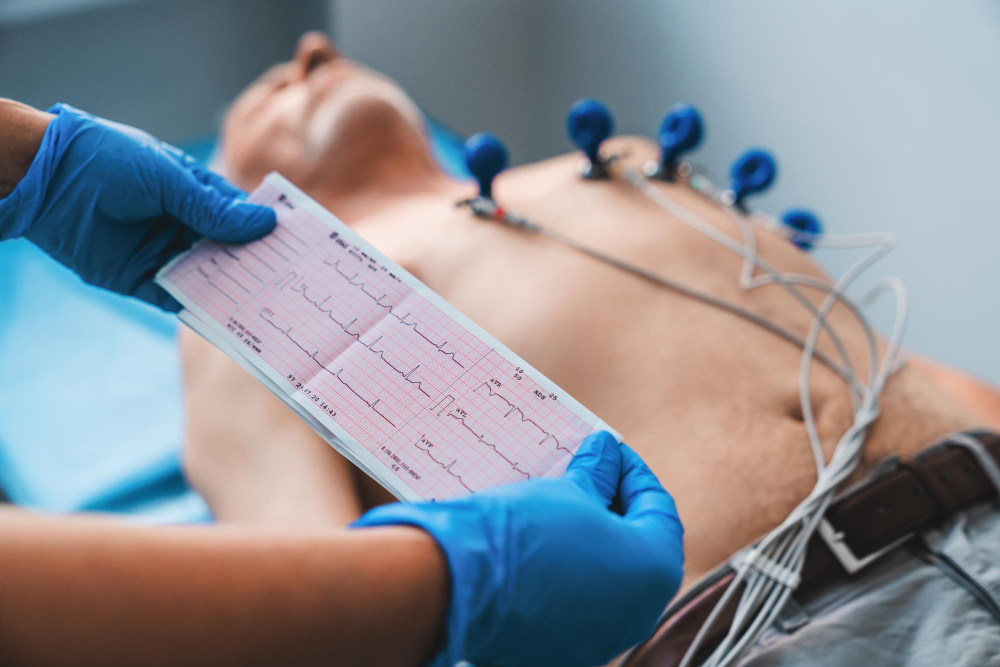
Heart Arrhythmia Symptoms
Heart arrhythmia symptoms can be sneaky, showing up when you
least expect them. It’s like your heart has its own beat
routine, sometimes going too fast or too slow. Recognizing
this dance is crucial. By staying alert, you can spot the
signs early and get peace of mind.
Common Symptoms of Heart Arrhythmia
Let’s dive into the common symptoms of abnormal heart rhythm.
These can vary, but some usual suspects stand out.
-
Chest Pain or Pressure: Feeling chest pain
or a tight squeeze often tops the list of common symptoms.
It can mean your heart is working too hard or struggling to
keep pace. This pain might feel like a heavy weight pressing
down, often catching you off-guard during exercise or
stress. While not always doom and gloom, ignoring these cues
isn’t wise as it might signal deeper heart issues.
-
Breathlessness: Struggling to catch a
breath, whether you’re sprinting up stairs or just lounging,
can be a tell-tale sign. When the heart’s rhythm is out of
whack, it can affect your breathing. Breathlessness during
physical exertion is a big hint, but feeling out of breath
when chilling? That’s a red flag too.
-
Heart Palpitations: Heart skipping a beat?
Or pounding so hard you can feel it in your chest, neck, or
throat? These flutters or jumps are quite common among
arrhythmia heartbeat patterns. It might just be your heart
having a dance-off, but if it becomes a regular performance,
it’s time to chat with a pro.
-
Chronic Fatigue: Feeling tired all the
time, no matter how much sleep you get, is like dragging a
heavy weight. This unexplained tiredness is an oft-ignored
arrhythmia of the heart symptom that deserves attention. If
regular activities leave you more pooped than usual, it
might be more than just needing a good night’s rest.
Recognizing Severe Indicators and Risk Factors
Some signals scream “Don’t ignore me,” and they can lead to
serious heart problems.
-
Frequent Dizziness or Lightheadedness: Ever
felt dizzy standing up or just out of the blue? This
head-spinning sensation might suggest your heart isn’t
distributing blood evenly. This dizziness can pose a serious
risk, hinting at potential heart conditions.
-
Unexplained Swelling: Notice swelling in
your legs or feet without reason? It can not only be
annoying but also worrying. This can mean your heart’s
struggling, causing fluid to build up. Keep an eye on sudden
puffiness.
-
Sudden Weight Gain: Packing on pounds
quickly, especially when you’re not indulging in extra
treats, is worth monitoring. It could signal water retention
and more profound heart health issues. Sudden weight gain
isn’t just cosmetic; it can be a heart indicator.
-
Family History and Personal Health:
Genetics play a crucial role in heart health. If family
members have heart issues, you’re also in the lineup.
Knowing when to seek genetic testing can pinpoint risks
early.
The Importance of Early Detection and Treatment
Catching arrhythmia signs early makes a significant
difference. So, when should you pick up the phone and call the
doctor?
When to Consult a Doctor
If any of the heart arrhythmia symptoms mentioned are regular
guests in your life, it’s time. Ignoring these signs might put
you on a risky path. A swift doctor visit can clear doubts
faster than a home remedy binge.
Traditional and Alternative Treatments in India
In India, you’re spoiled for choice. From ancient practices
like yoga to acupuncture, alternatives thrive alongside
medicine. Ayurvedic principles focus on balancing imbalances,
offering lifestyle and diet tweaks, while modern medicine
provides medication and surgical options.
Traditional methods — like meditation and diet adjustments —
help reduce stress on the heart. However, they’re often paired
best with conventional medicine for effective arrhythmia
treatment. Discussing with specialists ensures you get the
best of both worlds.
Expert Insights from Cardiologists
Cardiologists are great sources of heart wisdom, dispelling
common myths while offering tips. They advocate for managing
stress, quitting smoking, and keeping blood pressure in check.
Simple lifestyle changes can substantially improve heart
health.
Regular Health Check-Ups
Routine check-ups play a huge role in catching sneaky
arrhythmia of the heart symptoms. Annual visits to the doctor
shouldn’t be skipped. A quick chat and some basic tests can
prevent bigger issues down the road. Early detection means
fewer surprises in the future.
To wrap up, heart arrhythmia symptoms need attention. They
don’t always mean your heart is failing, but it’s crucial not
to dismiss the signals. By understanding what to look out for
and when to act, you empower yourself towards better heart
health. Don’t shy away from seeking help or more information
to keep your heart happily beating along.