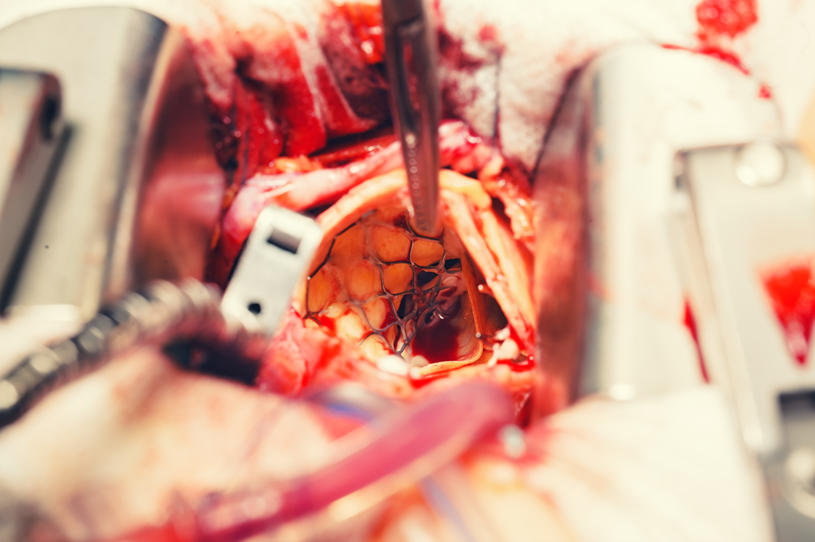
Transcatheter Aortic Valve Replacement (TAVR)
Transcatheter Aortic Valve Replacement (TAVR) is a minimally
invasive surgical procedure used to treat aortic valve
disease. It involves inserting a new heart valve through a
small incision, typically in the groin, and guiding it up to
the heart using a catheter. Once in place, the new valve is
expanded and secured within the existing aortic valve,
effectively replacing it.
TAVR is an alternative to traditional open-heart surgery and
is generally used for patients who are considered high-risk or
inoperable for conventional surgery. The procedure has shown
promising results in improving symptoms and quality of life
for patients with aortic valve disease.
When is the transcatheter aortic valve replacement (TAVR)
procedure done?
-
Severe aortic stenosis
(narrowing of the aortic valve) that has not responded to
other treatments, such as medication or lifestyle changes
-
Aortic regurgitation
(aortic valve does not close properly), allowing blood to
flow backward into the heart
How to prepare for the Transcatheter Aortic Valve Replacement
(TAVR) procedure?
-
Discuss the procedure
with your doctor
-
Get a physical
examination
-
Have blood tests and a
chest X-ray
-
Have an echocardiogram
-
Have a cardiac
catheterization
- Have a CT scan
-
Take medications to
prevent blood clots
-
Stop eating and
drinking several hours before the procedure
What happens after the TAVR procedure?
-
You may need to stay
in the hospital for at least 1-2 days
-
Follow your doctor’s
instructions on how to care for your incision
-
Take medications to
help with pain and reduce the risk of blood clots
-
Never miss follow-up
visits to check on your recovery and see how well your
replacement valve is working
TAVR Post-operative Care
Post-operative care is an essential part of the TAVR procedure
to ensure a smooth and successful recovery. Here are some key
aspects of TAVR post-operative care:
-
Hospital Stay: After
the procedure, patients are typically monitored in the
hospital for 1-2 days to ensure there are no complications.
-
Incision Care: Proper
care of the incision site is essential to prevent infection.
Patients should keep the incision area clean and dry and
avoid submerging it in water.
-
Pain Management:
Patients may experience some pain or discomfort after the
procedure. Pain management medication will be prescribed to
help with this.
-
Blood Thinners: Blood
thinners may be prescribed to prevent blood clots after the
procedure. Patients must follow the medication regimen as
directed by their doctor.
-
Physical Activity:
Patients may need to limit physical activity for a short
period after the procedure to allow for proper healing. The
doctor will provide specific instructions on when and how to
resume normal activities.
-
Follow-Up
Appointments: Patients should attend all follow-up
appointments to monitor recovery and ensure the replacement
valve is working properly.
-
Lifestyle Changes:
Patients may need to make lifestyle changes, such as a
heart-healthy diet, exercise, and smoking cessation, to
ensure the success of the procedure and promote overall
health.
It is important to follow all post-operative care instructions
carefully to ensure a successful recovery and to achieve the
best possible outcome.
What are the benefits of the TAVR procedure?
-
Lower risk of
mortality and complications
-
Can be used in people
with high surgical risk
-
smaller incision
-
Shorter hospital stays
-
Faster recovery time
- Cost-effective
What is the TAVR recovery time?
The typical recovery time for a TAVR procedure is about one
week. Depending on the patient’s overall health and the
complexity of the procedure, recovery can take up to two
weeks.
Who is the right candidate for TAVR Procedure?
TAVR Candidates
-
If the patient had a
Heart Attack or faced symptoms of heart attack and
-
Is sensitive to open
heart surgery
-
Is having a high risk
of surgical complications
-
Is suffering from
kidney or lung diseases and cannot undergo invasive surgery
-
Have an existing valve
that was previously inserted to replace the original aortic
valve, which is not functioning well.
TAVR vs Open Heart Surgery
|
Transcatheter Aortic Valve Replacement (TAVR)
|
Open Heart Surgery
|
|
TAVR is a minimally invasive procedure that involves
inserting a new valve through a catheter, typically in
the groin, and threading it up to the heart. Once in
place, the new valve is expanded and secured within the
existing aortic valve, effectively replacing it. TAVR is
generally used for patients who are considered high-risk
or inoperable for traditional open-heart surgery.
|
Open Heart Surgery is a more invasive procedure that
involves making a large incision in the chest and
opening up the chest to access the heart. During this
procedure, the heart is stopped, and the patient is
connected to a heart-lung bypass machine, which keeps
the blood circulating during the surgery. The surgeon
then removes the diseased valve and replaces it with a
new valve.
|
Conclusion
Transcatheter Aortic Valve Replacement (TAVR) is a minimally
invasive procedure that has revolutionized the treatment of
aortic valve disease, especially in patients who are
considered high-risk or inoperable for traditional open-heart
surgery. TAVR involves inserting a new valve through a
catheter and placing it within the existing aortic valve,
which can improve symptoms and overall quality of life. While
TAVR is not suitable for all patients, it has shown promising
results and continues to evolve as a safe and effective
treatment option for aortic valve disease.